Biophilic Design
Nature incorporation, inspiration and interaction in the design of spaces

Different elements of biophilic design come up pretty often when reading about health and wellbeing in the built environment. Essentially, biophilic design is design that is connected to nature in some way. It makes sense that we would benefit from design that connects us with nature; in a way its strange that we almost have to relearn this connection, that we ever disconnected from it in the first place given that we are part of the natural world and inextricably linked to it. But many of our cities and homes are not built in a way that fosters human connection to nature, despite the evidence that this is generally a good thing!
Of course, the term nature is pretty broad, and one issue with biophilic design is that this can be a bit of an ill-defined term. Some nature is dangerous for us to encounter, and its good that psychologically we want to avoid some experiences of nature, whether its a poisonous snake or deadly berry. You could take a visit to Anwick’s poison garden if you’re not aware of some of the dangers of nature! But there are many benefits to (wisely!) engaging with our natural world, whether is is stress reduction, increased biodiversity or increased care for our environment.
One literature review1 has categorised biophilic design into three categories, which I’ll be using in this blog: nature incorporation, nature inspiration and nature interaction.
Nature incorporation
This means including natural elements within the built environment, whether these are genuine or artificial. This includes bringing in water, air and daylight to a building, as well as having access or views out to these outdoor green and blue spaces nearby. Mimicking natural light, including imitating time of day, seasonal changes and weather, through artificial lighting can also have a positive impact.
It also means creating spaces for plants and animals to flourish, for example by having potted plants indoors, creating green roofs or walls, or integrating nest boxes. This should also include ongoing maintenance of these spaces - there’s unfortunately quite a number of projects where these elements have been included and then plants have been left to die!
In addition, I would want to add other sensory elements associated with nature (such as sounds, like birdsong and smells, like floral scents) as other ways to incorporate nature.
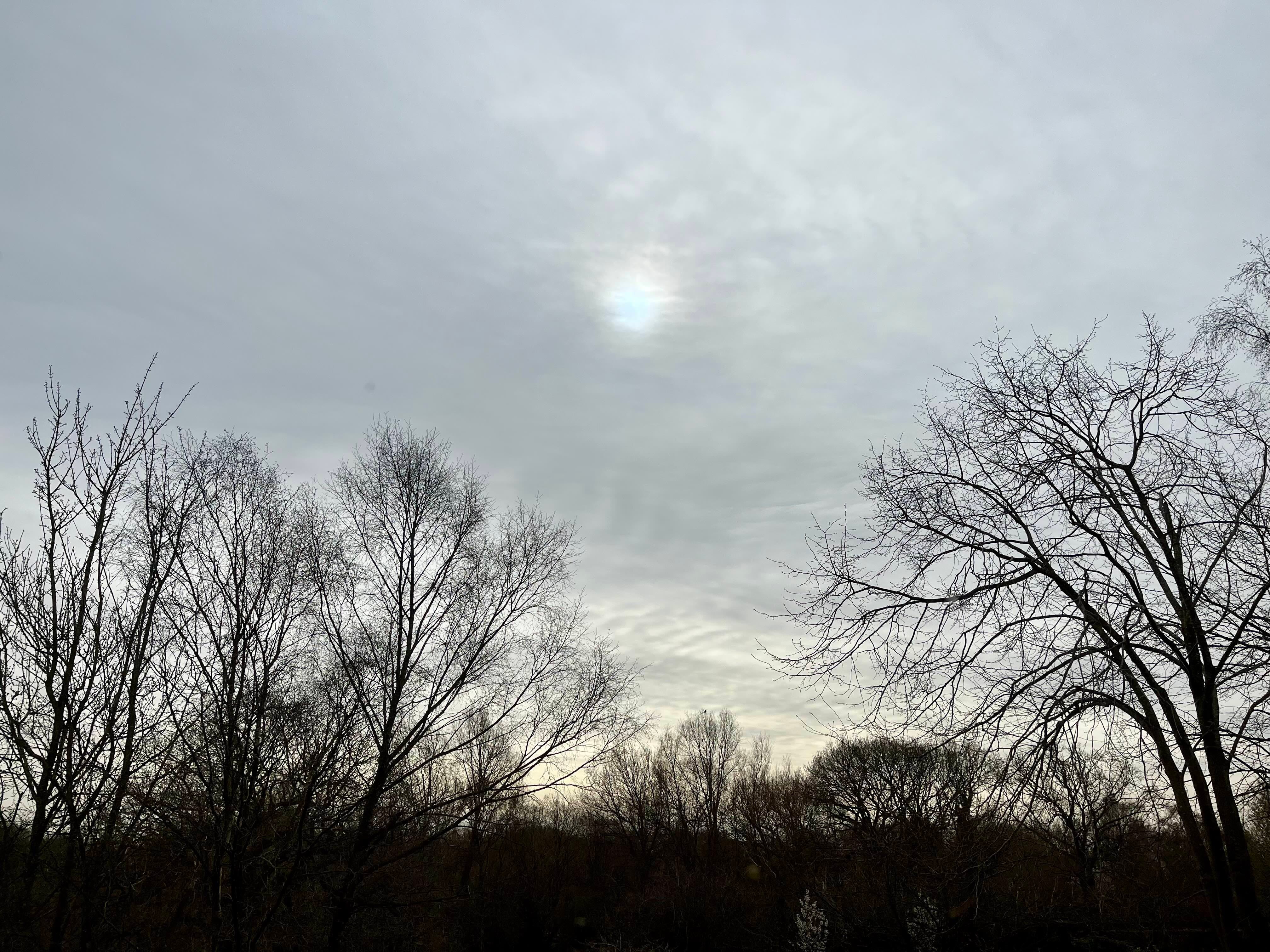
This is the current view from the window by my workspace - yes, its a cloudy day! But I can see the changing weather, seasons (spring blossoms just beginning to emerge), time of day as well as see and hear different birds that live outside, such as red kites and magpies, and when its dark I can hear some kind of owl. There is a blind over the window, so if the sun is too bright, I can alter my environment according to what I need - choice and personalisation in work spaces is also important for wellbeing! All of this contributes to a sense of being connected to nature, helps regulate my circadian rhythm, and means that it is easy to focus my eyes in the distance which is important when working on a screen.
Nature inspiration
This area of biophilic design involves being inspired by nature in the design of spaces. For example, biomorphic design can involve creating more organic forms and spaces, copying nature based patterns and geometries such as fractals, the fibonacci series, the golden ratio, or the intermediate ratio. These need to be carefully used to not create a chaotic visual space, which is something that can be uncomfortable, including for some neurodivergent people. Biomimicry also comes under this heading, which involves learning and implementing designs based on other species.

It can also be as simple as having images of natural scenes on the wall, which is a very accessible way of bringing nature into a space and can be particularly beneficial in spaces where people feel anxious or stressed, such as in hospital waiting rooms or windowless rooms. They should not easily be mistaken for real landscapes, as this can create confusion and negatively impact some people through, for example, making you feel like there is a temperature change in the room. Videos of nature, as well as VR experiences of nature have also been shown to have a positive effect on wellbeing.
Materials, texture and colour can also be inspired by nature, reflecting the local area. For example using natural materials like wood, stone and clay give a more natural appearance, and in particular there are many studies around the different benefits of using wood in buildings2, from regulating air humidity to reducing stress and increasing productivity. There’s some evidence supporting using ‘natural’ colours e.g. blue, green, earthy colours - although, this seems quite vague to me!
The new Children’s Hospital in Helsinki incorporates some of these features well, including fish tanks, a digital fish tank(!) where children’s drawn fish can join the aquarium, art on the walls which incorporates nature and colour, wooden doors and light open spaces with balconies on each floor.
Nature interaction
This concept feels a little less tangible, as it is more about the arrangement of spaces based on different theories about how we have evolved to interact with nature. This includes:
Prospect and Refuge: this is the idea that we naturally want to look out from a safe viewpoint, and not have anything creep up behind us. For example, sitting on a bench under a tree or with a hedge behind it (refuge), with an expansive view (prospect). Or another one that I find myself doing often is in a café situation - if the corner seat is available, where I can see all that is happening, that’s where I want to be.

Complexity and Order: this is to do with arranging complex and rich details in an orderly way, perhaps using more natural forms or geometries, such as the shapes used at King’s Cross Station. To be honest, I’m not entirely sure on what this one means, but I suspect it is very difficult to get right, particularly in larger buildings!

Enticement (peril and mystery): peril is created using cantilevers, infinity edges, pathways under/over water and so on, and mystery is created through winding paths, translucent materials, obscured/curved edges etc. The peril side to me sounds like it could increase a sense of discomfort, and there is some literature that shows this, so I’m not sure how much that should be encouraged! The mystery side makes more sense to me, as there is something about not having everything on show, and creating more of a story through architecture, as a positive experience. I think this was one of the aspects that contributed towards a win for the RIBA house of the year 2025, which is also a great example of so many elements of biophilic design.
Connection to place: this involves integrating views of nature and the landscape, using local materials and plants, and making sure the form of the building matches the landscape. This can help to create a sense of place and belonging when done well. This is one of those areas where it is really key to involve local stakeholders as co-designers to ensure a design is genuinely reflecting the place and the people. The RIBA house in the outer Hebrides again does this well, being built from stone on the island in a form that reflects the landscape, with views out to nature from all angles.
Connection of spaces: This is all about creating good transitions between spaces, both interior-exterior and moving between rooms e.g. stairs, hallways. Creating clear transitions is important for people to be able to navigate between spaces, as well as to be able to adjust. For example, including plants in entryways helps to transition from indoors to outdoors.

Clear colour navigation is also important, as colour can be used to define spaces as well as to create gentle transitions between them. Its important these changes are not too abrupt, particularly with flooring, as this can make it difficult for some people to move across these boundaries. For example, dark flooring can be misinterpreted as a hole, shadow or a step.
Over to you
So that’s a brief introduction to biophilic design. What do you think?
Which parts most resonate with you, or are there areas that you feel more dubious about?
What do you do to incorporate nature into the spaces you inhabit, or as part of your day? Have you noticed any positive changes on your wellbeing as a result?
Zhong, Weijie, Torsten Schröder, and Juliette Bekkering. 2022. ‘Biophilic Design in Architecture and Its Contributions to Health, Well-Being, and Sustainability: A Critical Review’. Frontiers of Architectural Research 11 (1): 114–41. https://doi.org/10.1016/j.foar.2021.07.006.
Mamić, Domagoj, and Danijela Domljan. ‘Positive Aspects of Using Solid Wood in Interiors on Human Wellbeing: A Review’. Drvna Industrija 74, no. 3 (2023): 379–91. https://doi.org/10.5552/drvind.2023.0130.